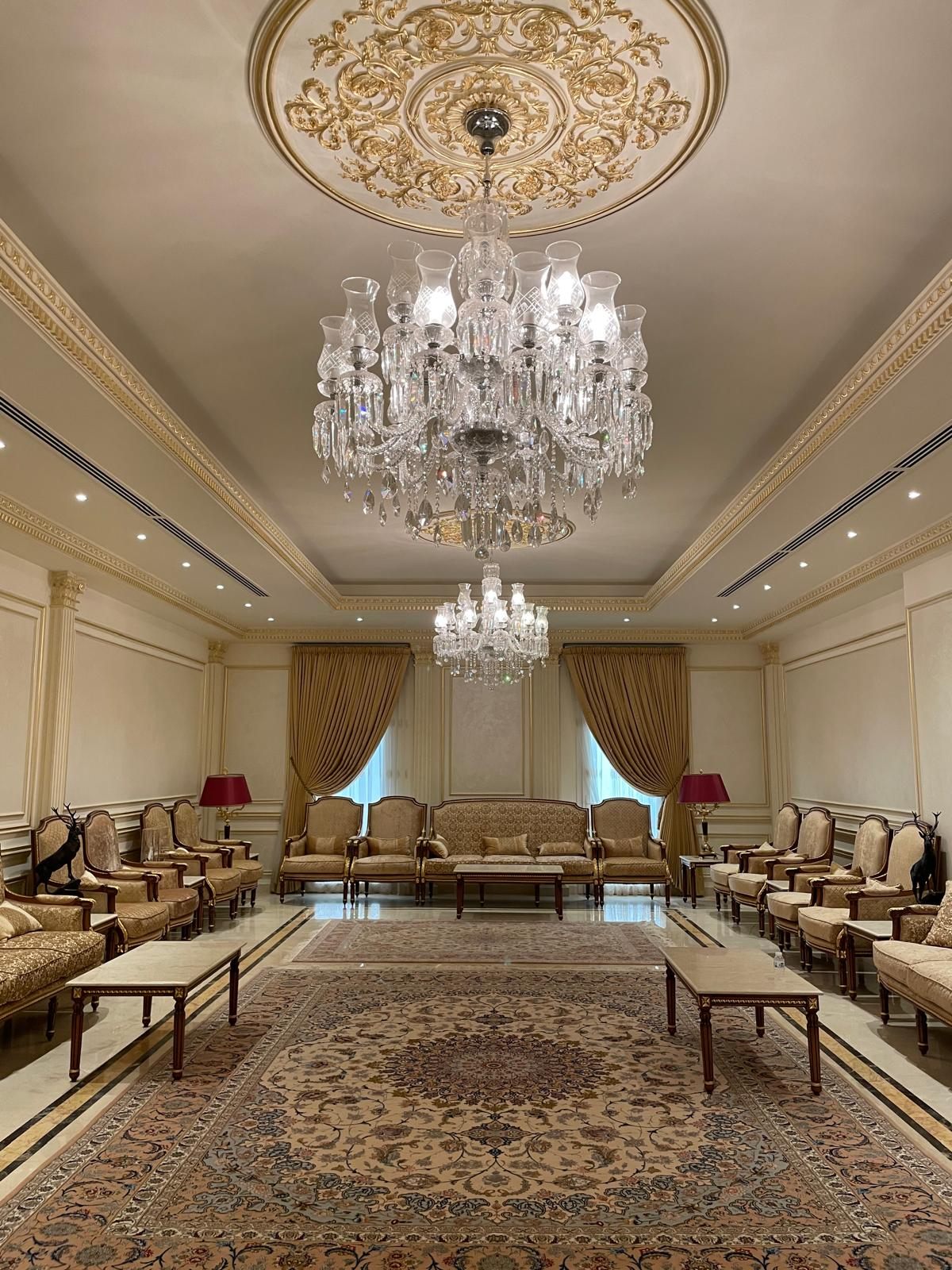
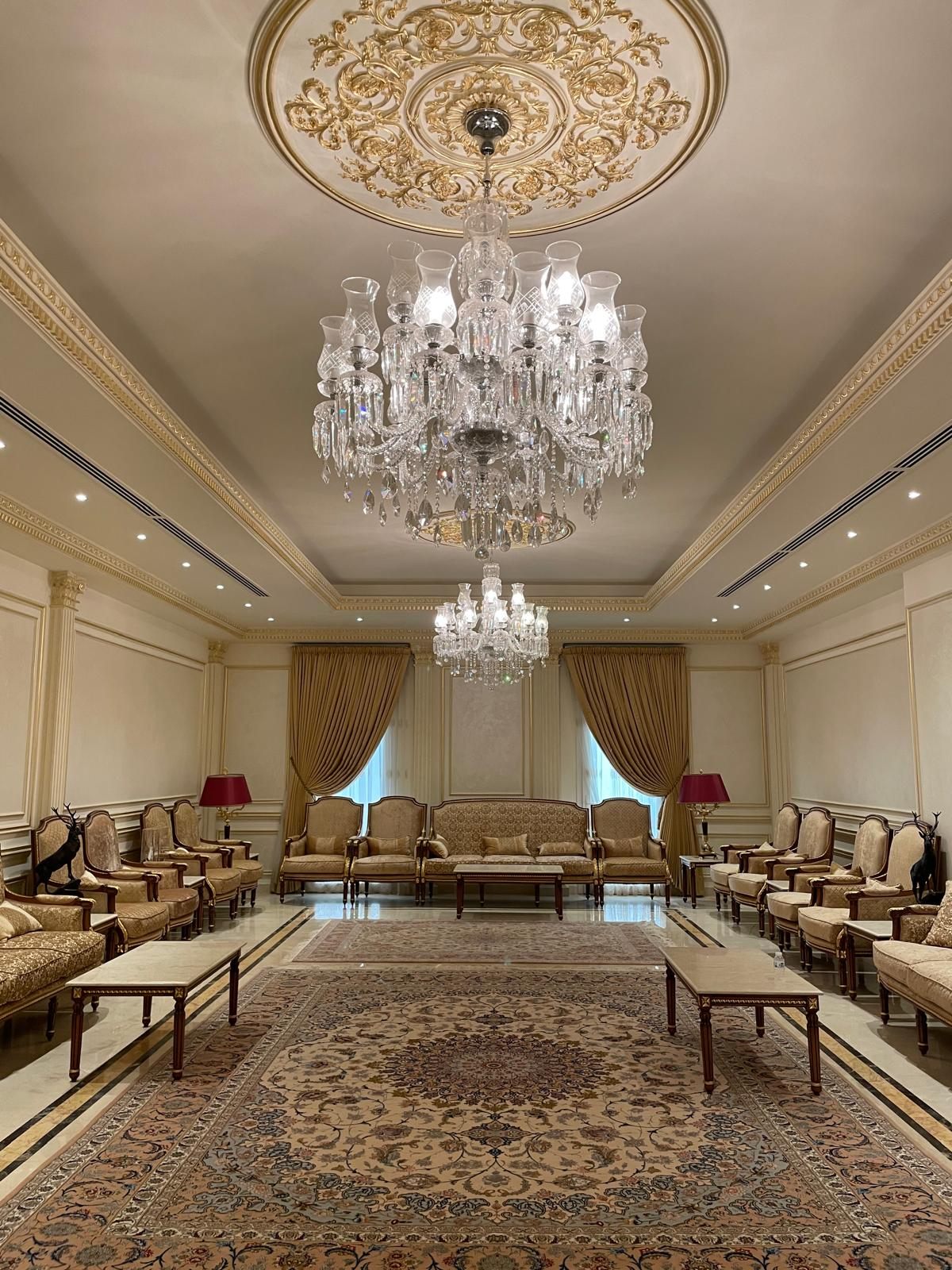
Walk into a villa that feels genuinely premium and it rarely has more furniture than the one next door — it has better proportion, better light, and far fewer competing materials. In Doha, where many villas are furnished quickly to meet a move-in date, the gap between "expensive" and "premium" usually comes down to a handful of decisions made before a single sofa is ordered.
This guide covers the practical principles ArtCastle uses when planning residential interiors in Qatar, the mistakes we see most often, and a simple way to think about prioritising rooms if you're starting the process yourself.
What "premium" actually means in a villa interior
Premium is not a budget line — it is a set of relationships: how a room's proportions relate to its furniture, how light layers across a space at different times of day, and how few materials are doing the visual work. A majlis with three coordinated finishes and considered lighting will almost always read as more refined than one with eight finishes fighting for attention, regardless of how much either one cost.
Six principles behind premium villa interiors
1. Let proportion lead, not furniture count
Before choosing pieces, define how the room will actually be used and how many people it needs to seat comfortably. Oversized rooms furnished sparsely, with a few well-scaled pieces and clear circulation space, consistently look more considered than rooms packed to capacity.
2. Layer your lighting instead of relying on one ceiling fixture
A single central chandelier lighting an entire room evenly is the fastest way to flatten a space. Premium interiors combine ambient light (ceiling and cove lighting), task light (reading, dining, workspaces) and accent light (wall washers, picture lights, feature lighting on ceiling detail) on separate circuits, so the mood can change through the day.
3. Choose fewer materials and repeat them with intention
A tight material palette — one stone, one wood tone, one metal finish, one fabric family — reads as deliberate. Mixing five different marbles, three metal finishes and unrelated wood tones in one space is one of the most common reasons an expensive room still feels chaotic.
4. Treat the ceiling as a design surface, not an afterthought
In many Doha villas, the ceiling is the last thing decided and the first thing guests notice. Decorative gypsum work — coves, layered tray ceilings, curved transitions and integrated lighting channels — has a disproportionate effect on how "finished" a room feels, because it frames everything underneath it. We cover this in more depth in our guide to decorative gypsum ceiling design in Qatar.
5. Pick one statement moment per room
A room with one clear focal point — a stone feature wall, a sculptural chandelier, a curated art wall — feels curated. A room where every surface is trying to be a statement feels busy. Choose the moment first, then let everything else support it quietly.
6. Leave breathing room
Negative space is a material too. Empty wall, uncluttered surfaces and generous circulation paths are what let the good pieces in a room actually get noticed.
Common mistakes Doha villa owners make
- Ordering furniture before the layout is finalised, leading to pieces that don't fit the proportions of the room.
- Mixing too many finishes across flooring, walls and ceiling without a shared material logic.
- Finalising gypsum ceiling work before the lighting plan, which limits where fixtures and circuits can go later.
- Chasing short-term trends in a room meant to last a decade or more, instead of timeless proportions and materials.
- Buying statement pieces before the palette is set, which then dictates (and limits) every decision after it.
A simple room-by-room starting point
If you're planning where to focus first, this is roughly how we sequence priorities on most villa projects:
- Majlis / reception: the most formal room and usually the strongest first impression — worth the largest share of the material and lighting budget.
- Living / family lounge: the room used daily, so comfort and durable materials matter as much as appearance.
- Bedrooms: calmer palettes, softer lighting and a single feature wall usually outperform heavily decorated schemes.
- Kitchen & dining: material durability and lighting for tasks come first, style decisions second.
Every room is treated as a composed environment — light, surfaces, furniture, ceiling detail and circulation working together, rather than decorated one item at a time.
How ArtCastle approaches villa interior projects in Doha
We keep design and execution under one roof so decisions made on paper survive contact with the site. A typical villa project moves through a consultation to understand the space and how your family lives in it, a design stage covering layout, materials and lighting, coordinated fit-out and finishing work (including decorative gypsum, painting, and tiling & marble works), and a final handover once every detail is checked. You can see examples of completed spaces in our project gallery.
Frequently asked questions
Costs vary significantly based on villa size, material specification (for example marble versus porcelain, or the extent of decorative gypsum work), and whether the scope covers design only or full fit-out. The most reliable way to get an accurate figure is a walkthrough consultation, after which ArtCastle provides a detailed quote based on your space and style direction.
Timelines depend on villa size and scope. Most residential interior and fit-out projects move through consultation, design development, procurement and site execution in stages. Your consultant will confirm a project-specific schedule once the scope is defined.
Ideally both, working together. Design without execution oversight can create gaps between the drawing and the finished room, which is why ArtCastle keeps design and fit-out under one roof for villa projects in Doha.
Yes. Many projects focus on specific rooms, such as the majlis, living areas or bedrooms, refreshing lighting, wall treatments, ceiling detail and furniture without altering the building structure.
Warm minimal palettes, natural stone and wood tones, and traditional Gulf-influenced majlis details paired with contemporary lighting are common directions, though the right style depends on how the family actually uses the space.